
May gardening guide: what to do in your garden this May
May is one of the most rewarding months in the garden. Growth is fast and visible, with new shoots appearing daily, perennials coming into flower, late tulips still holding on, and shrubs in full bloom. It is a month where the garden feels alive and changing almost by the day.
However, despite its reputation as a peak spring month, May weather can still be unpredictable. Warm, sunny spells can quickly give way to cold winds and even late frosts in some areas. As a result, planting and general garden work must always be guided by conditions rather than the calendar alone.
Looking for a handy summary? Click here to expand our quick reference guide for essential May gardening tasks at a glance.
Planting
Planting in the garden
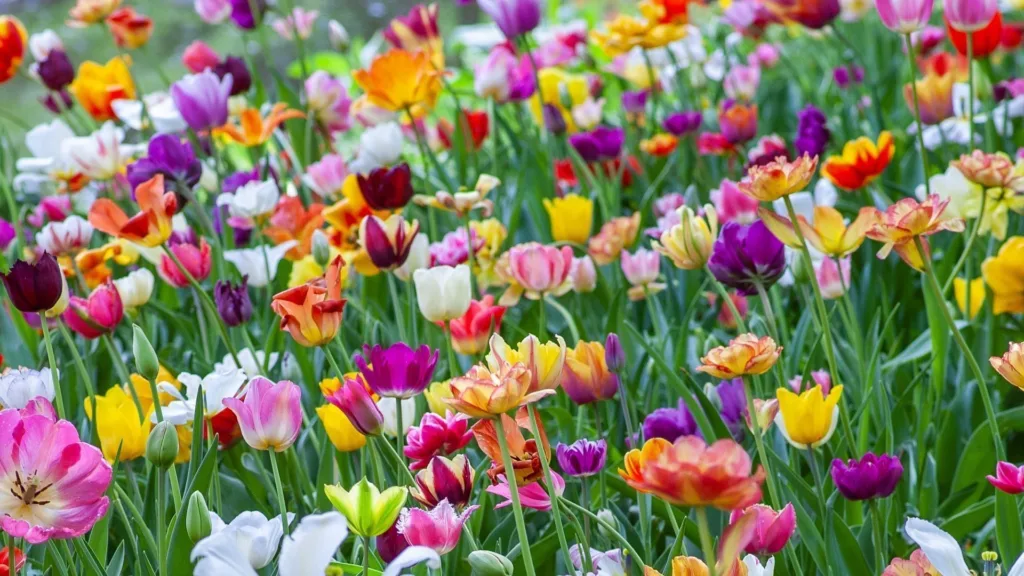
May is the month when the garden really comes into its own, but timing is still important. While many hardy plants can now be safely planted outside, more tender varieties should only be moved out once frost risk has passed.
In sheltered parts of Oxfordshire this may be earlier in the month, but in exposed gardens it is safer to wait until late May or even early June. Keeping fleece or cloches to hand is still advisable.
Hardy perennials and evergreens can now be planted freely, along with hardy annuals such as sunflowers, cornflowers, zinnias, nasturtiums, calendula, nigella, and Cerinthe major ‘Purpurascens’. Sweet peas can also be planted out if not already in place.
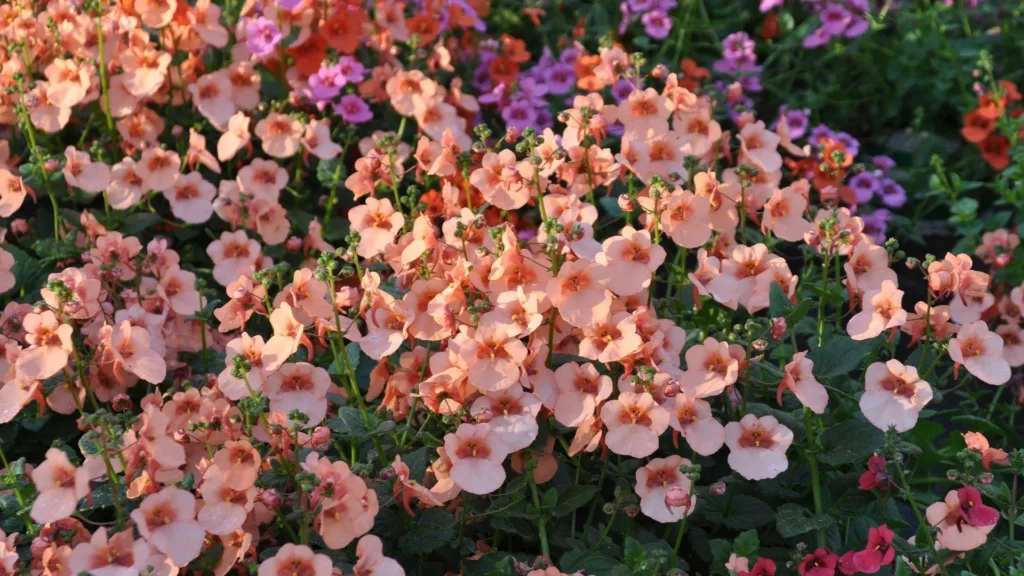
Half-hardy perennials such as dahlias, diascia, and Verbena bonariensis can be introduced to the garden, along with summer bulbs like gladioli to extend colour through late summer and autumn.
In the vegetable garden, hardier crops such as broad beans, runner beans, peas, onions, garlic, carrots, summer cabbages, Brussels sprouts, celery, celeriac, salad crops, leeks, and strawberries can be planted outside.
More tender vegetables – including French beans, squash, cucumbers, tomatoes, melons, chillies, aubergines, sweet corn, courgettes, and sweet peppers – should either be grown under glass or held back until late May or early June when all risk of frost has passed.
Sowing and greenhouse growing
Even in May, colder spells can still occur, so many tender crops are best sown under glass or delayed until conditions improve. This applies particularly to sweet corn, French beans, squash, cucumbers, tomatoes, sweet peppers, chillies, aubergines, courgettes, and melons.
Water lilies can also be planted into aquatic baskets this month and gradually lowered to their final depth over several weeks to allow them to acclimatise.
Tomato plants can be purchased and grown on in a greenhouse or sunny sheltered spot in the vegetable garden. Early May is ideal for greenhouse growing, while outdoor planting should wait until late in the month when conditions are reliably frost-free.
By the end of May, most gardens across the country are typically frost-free, making it safe to plant out tender bedding plants and non-hardy perennials such as agapanthus, canna lilies, and dahlias.
If dahlias were planted earlier in the season, they may begin emerging around May, although young growth will still need protection if cold weather returns.
Care and maintenance
Pruning
May is the right time to prune early spring-flowering shrubs once they have finished blooming. Pruning helps maintain shape, control size, and encourage healthy new growth. Timing is important – shrubs should always be pruned after flowering rather than strictly by date.
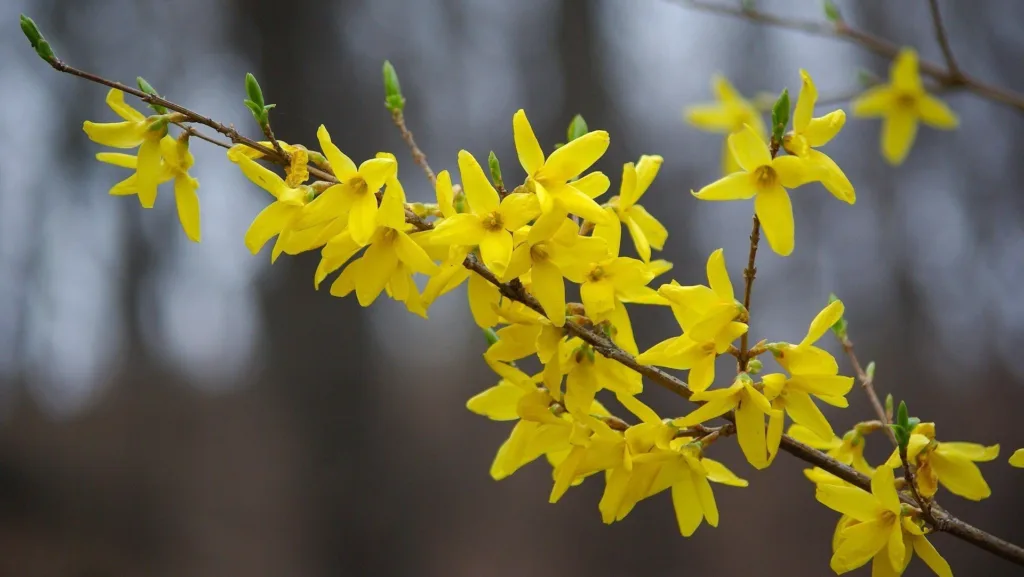
Forsythia, ribes, and other spring-flowering shrubs can be lightly pruned once flowering has ended. Overgrown camellias can also be cut back if necessary, though hard pruning should be done with care.
The Chelsea Chop
May is also the traditional time for the “Chelsea Chop”, used to control the size and flowering time of certain perennials. This technique should only be applied to established, healthy plants and ideally not too early in the month if growth has been slowed by a cool spring.
Late-flowering perennials such as asters, sedum, phlox, and rudbeckia can be cut back by around two-thirds to encourage bushier growth and staggered flowering times later in the season.
Fuchsias also benefit from pinching out the growing tips to encourage a fuller, more floriferous shape.
General maintenance
May is an important month for supporting strong growth. Perennials such as peonies, delphiniums, dahlias, alliums, and other tall or top-heavy plants should be staked early, before they become too large. This allows plants to grow naturally through their supports without damage.
Greenhouses should be prepared for warmer weather by applying shade paint or installing shading to prevent overheating.
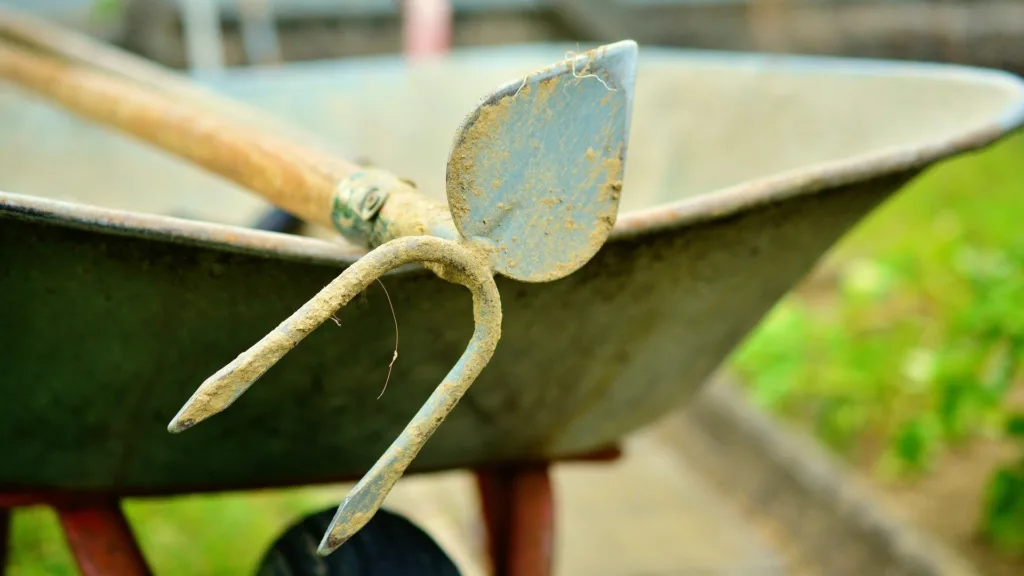
Lawns can be seeded or turfed now, as showery conditions provide ideal growing conditions. Mower blades should be lowered gradually as the season progresses, provided conditions are not too dry. Regular hoeing between crops will also help keep weeds under control.
Wildlife and pests
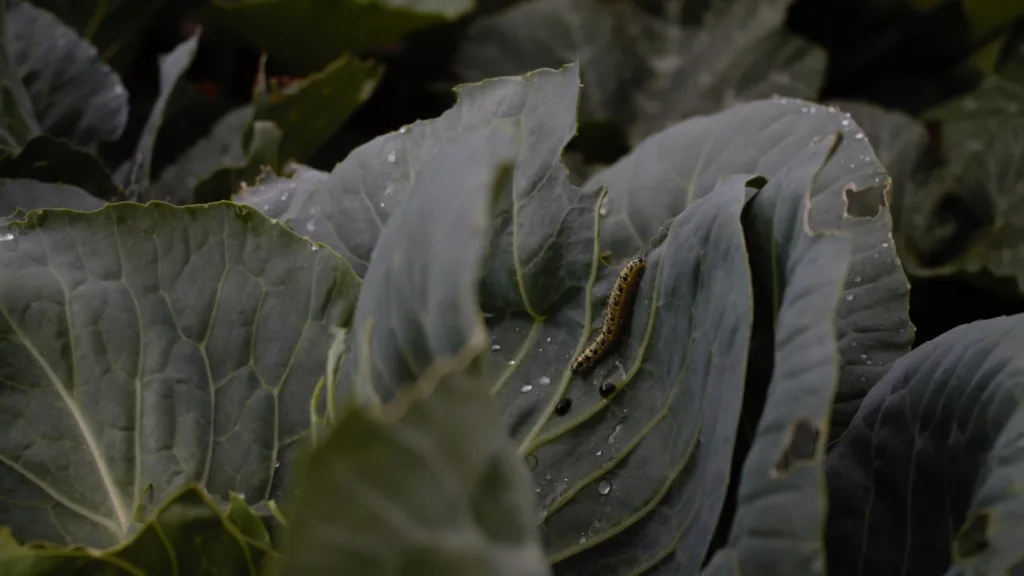
May brings a surge in garden activity from pests as well as plants. Aphids, slugs, snails, cutworms, scale insects, cabbage worms, asparagus beetles, and viburnum beetle larvae are all active at this time of year. Regular monitoring is essential, particularly under leaves where larvae and eggs may be hidden.
A simple wildlife-friendly addition is to create a pile of large stones in a shaded part of the garden to provide shelter for toads and newts during warmer months.
Other garden tasks
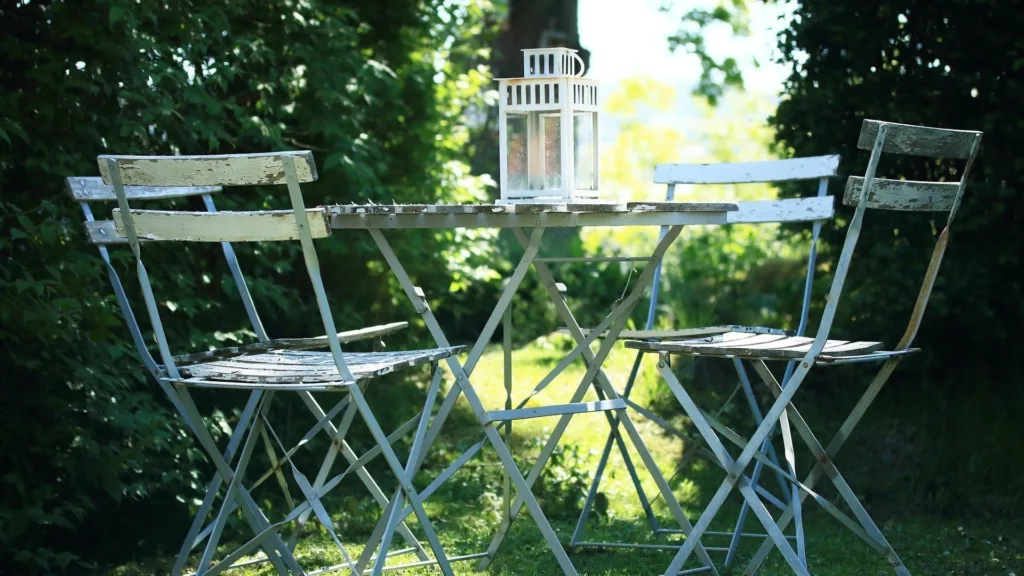
As the garden transitions fully into summer, there are several practical tasks to complete. Congested clumps of bulbs can be lifted and divided once their foliage has died back. Garden furniture should be cleaned and prepared for outdoor use, and patios checked for uneven paving ahead of summer entertaining.
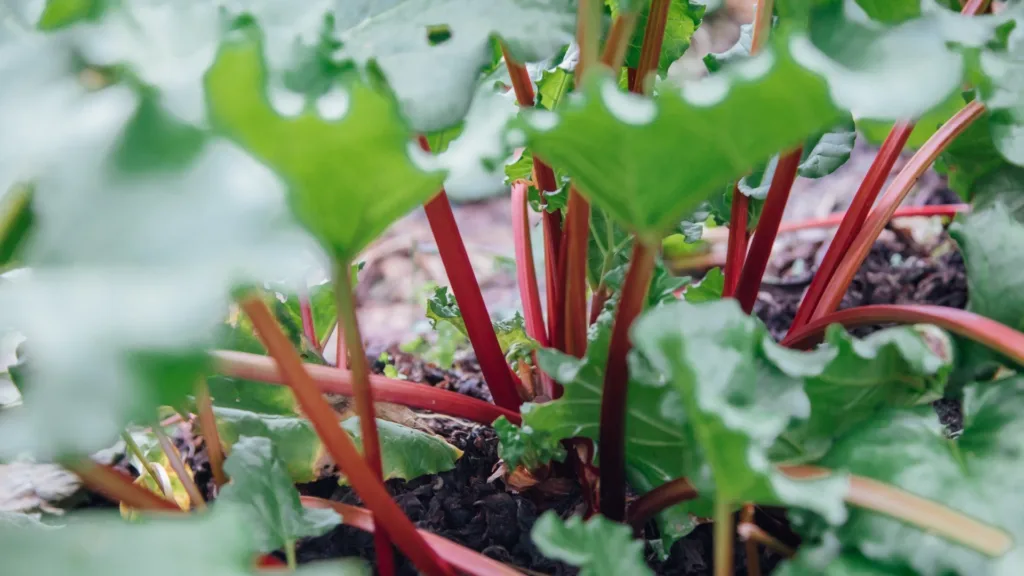
Salad leaves, asparagus, and forced rhubarb can be harvested by gently pulling or cutting stems from the crown, ensuring continued productivity where applicable.
Quick reference – May gardening at a glance
- Plant hardy perennials, evergreens, and hardy annuals such as sunflowers, zinnias, and cornflowers.
- Wait until late May to plant out tender bedding plants and half-hardy perennials like dahlias and verbena.
- Plant hardy vegetables including beans, peas, carrots, brassicas, leeks, and strawberries.
- Delay planting tender crops like tomatoes, squash, and sweet corn until frost risk has passed.
- Sow tender vegetables under glass and grow on in a greenhouse or warm space.
- Apply the “Chelsea Chop” to late-flowering perennials to control size and flowering time.
- Prune spring-flowering shrubs once they have finished blooming.
- Stake tall perennials such as peonies, delphiniums, and alliums early.
- Feed lawns, adjust mowing height, and prepare garden furniture for summer.
- Monitor pests including slugs, aphids, viburnum beetle, and cabbage worms.
- Harvest salad crops, asparagus, and rhubarb as they become ready.
The post May gardening guide: what to do in your garden this May appeared first on The Oxford Magazine.
from The Oxford Magazine https://ift.tt/j05oASb
via IFTTT
Comments
Post a Comment